
The Gentle Strength of Daily Routine: How Simple Habits Help Young Minds Grow Strong
Home / School / The Gentle Strength of Daily Routine: How Simple Habits Help Young Minds Grow Strong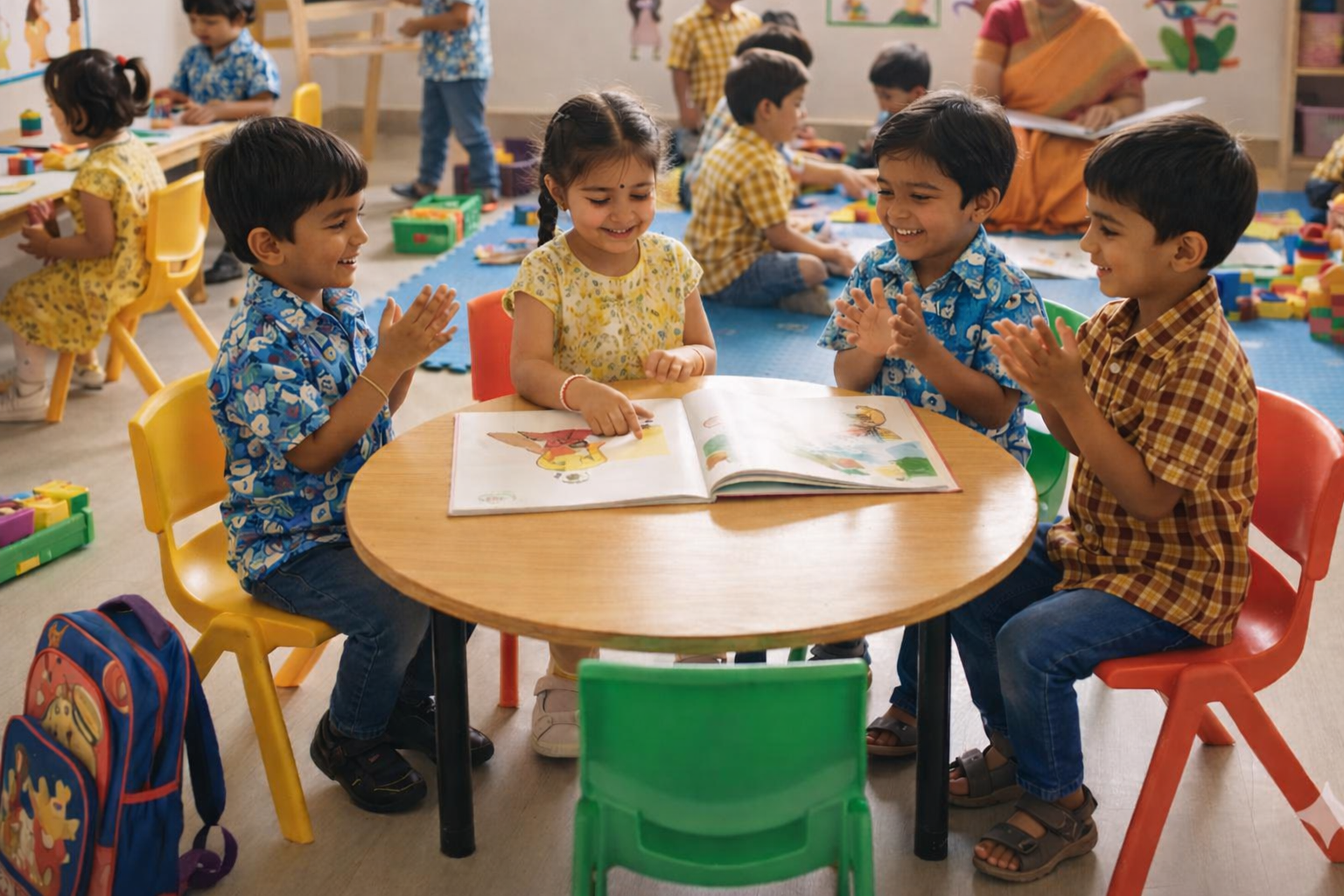
There is a quiet joy in watching a child follow a daily pattern with confidence. A small child who keeps the water bottle back in place after snack time. A child who sits calmly when story time begins. These simple actions may look ordinary. In reality, they show something powerful. They show that the child’s brain is learning rhythm, safety, and trust.
At MNR Golden Kids, popularly known as the top preschool in Kukatpally, Hyderabad, daily routines are not forced rules. They are caring structures that guide children gently. These routines help children feel secure. They also prepare them for bigger learning in the future.
Why Routine Matters So Much in Early Childhood
A young child’s brain grows very fast. Every day, new connections are formed inside the brain. When a child follows a regular pattern, the brain feels calm. It knows what is coming next. This feeling of predictability reduces stress.
When stress reduces, learning becomes easier.
Simple things like a fixed circle time, regular snack break, outdoor play slot, and story time create comfort. At MNR Golden Kids, known as the top preschool in Kukatpally, these daily rhythms are planned carefully. Children move from one activity to another smoothly because they expect the change.
Routine builds:
- Emotional safety
- Better memory
- Stronger focus
- Independent habits
- Self-confidence
When children repeat actions daily, the brain builds stronger pathways. Over time, children begin to manage small tasks on their own. They pack toys away. They wash their hands before meals. They line up without fear. This small independence builds inner strength.
What Happens When There Is No Routine?
Children may not always say they feel confused. But their behaviour shows it. When sleep times change daily, when meals are irregular, or when screen time increases suddenly, children often become restless.
Many parents notice that during holidays children become more irritable. Bedtimes move later. Morning routines become rushed. Within a few days, patience becomes weak. Attention reduces. Emotional outbursts increase.
This happens because the brain needs rhythm. Without rhythm, it feels unsure.
At MNR Golden Kids, popularly known as the top preschool in Kukatpally, children experience steady patterns every day. This helps reduce anxiety. They feel safe because the environment is predictable.
What Does a Healthy Routine Look Like?
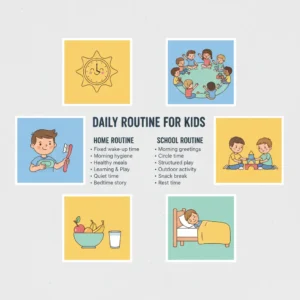
Routine does not mean strict discipline. It means gentle order.
A good daily routine may include:
- Fixed wake-up time
- Morning hygiene habits
- Healthy meal times
- Learning and play sessions
- Quiet time before sleep
- Bedtime story or soft music
In school, routines may include:
- Warm morning greetings
- Circle time discussions
- Structured play
- Outdoor activity
- Snack break
- Rest time
At MNR Golden Kids, known as the top preschool in Kukatpally, these routines are designed to balance learning and fun. Children sing songs before clean-up time. They clap before snack time. They listen to cheerful instructions during transitions. This makes routine enjoyable, not boring.
Making Routine Fun for Children
Children respond better when the routine includes warmth. A smile during attendance. A small song before lunch. A short story before nap time.
These little actions attach happiness to structure.
Teachers often use visual charts with pictures. Younger children understand pictures faster than long instructions. When a child places a star after completing a task, it builds a sense of achievement.
In the classrooms at MNR Golden Kids, popularly known as the top preschool in Kukatpally, routine boards are colorful and simple. They are not just decorations. They guide children step by step through the day.
Challenges Parents May Face
Building a routine at home is not always easy. Some mornings feel rushed. Some nights feel long. Children may resist bedtime. Parents may feel tired. That is normal.
Routine does not require perfection. It requires consistency. If one day goes off schedule, gently return to the pattern the next day. The brain responds to repetition over time.
It is important not to expect instant change. Habits grow slowly. But once formed, they become strong.
How Routine Helps Children Grow Into Confident Learners
When home routine and school routine match, children grow faster. They feel emotionally secure. They focus better. They manage feelings more calmly.
At MNR Golden Kids, known as the top preschool in Kukatpally, this balance is carefully maintained. Teachers communicate regularly with parents. Schedules are shared clearly. Activities follow a steady flow.
Emotional safety leads to better attention. Better attention leads to better learning.
Routine quietly teaches:
- Responsibility
- Time awareness
- Emotional control
- Patience
- Cooperation
These qualities matter even more than alphabets and numbers in early years.
In the end, routine is not about strict control. It is about comfort and confidence. It tells a child every day that the world is safe, stable, and caring. And when a child feels safe, the brain grows strong.
Follow us on Instagram
Related Blogs

10 Signs Your Child Needs More Social Interaction Before Formal Schooling
Starting school is a big milestone in every child’s life. While many parents focus on…
10 Simple Activities That Boost Brain Power in Toddlers
Today, parents are looking for schools for their children that are not only limited to…
How to Discover Your Child’s Natural Learning Strengths Early
Every child carries a quiet gift. Some children show it loudly through questions, stories, and…

Montessori vs Traditional Preschool – Which Approach Is Right for Your Child in Navi Mumbai?
Choosing a preschool is one of the first major decisions parents make for their child….
Working Parents in Hyderabad: How to Choose the Right Play School
Morning hours in Hyderabad move quickly. Office calls begin early, traffic builds up, and between…

Modern Pre-Primary Education in BHEL Hyderabad: What Parents Should Expect in 2026
Every parent in BHEL colony remembers the first day they left their little one at…