
The Quiet Power of Routine: How Simple Daily Rhythms Shape Your Child’s Growing Brain
Home / School / The Quiet Power of Routine: How Simple Daily Rhythms Shape Your Child’s Growing Brain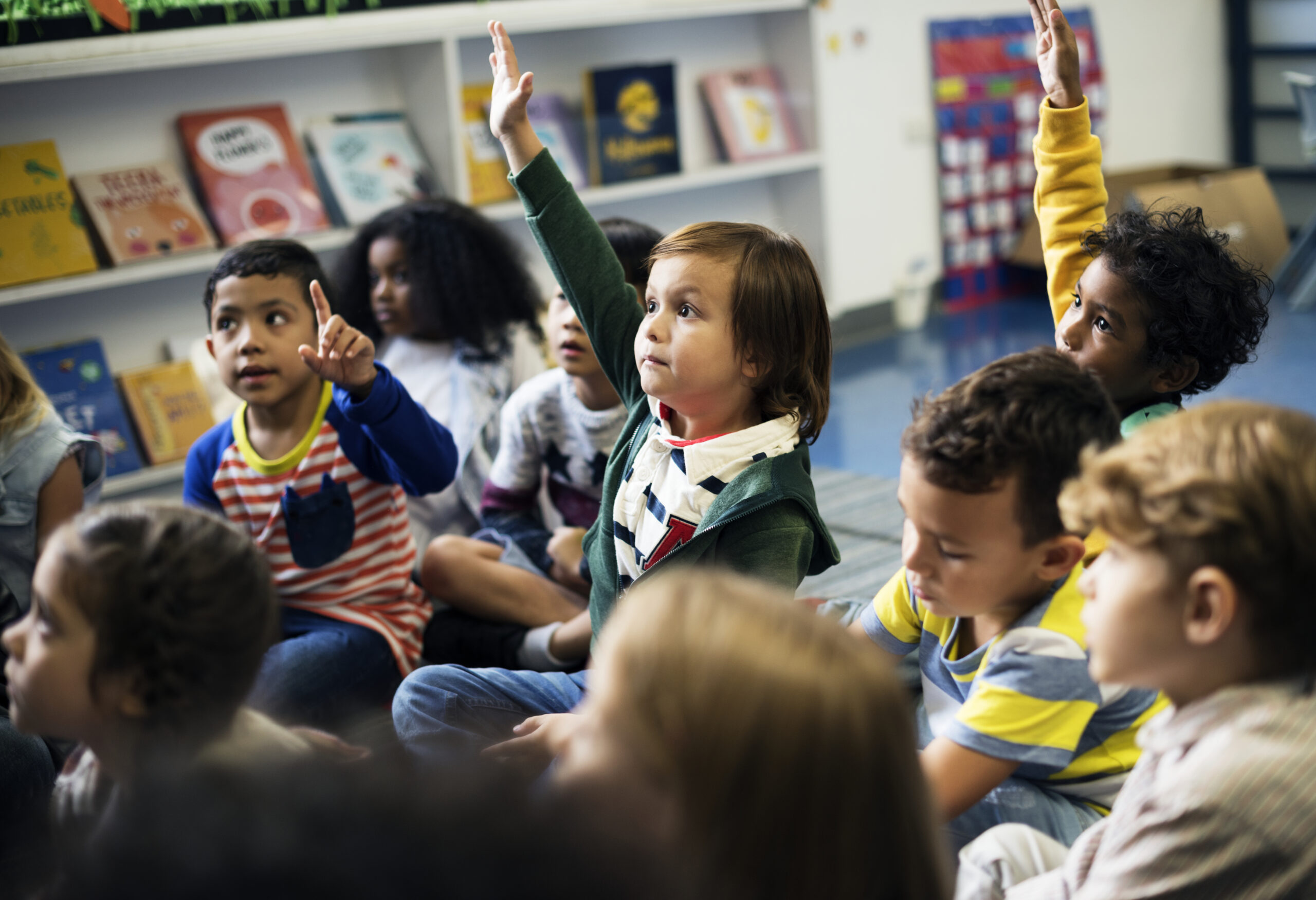
There is something deeply reassuring about watching a child know what comes next. The small hand that reaches for a water bottle at snack time without being reminded. The yawn that arrives almost on cue before nap time. These are not accidents. They are signs of a brain slowly wiring itself with trust and predictability. This is the quiet power of routine. And therefore, many UKG schools near Old Panvel focus on various activities that the children should go through and get accustomed to a routine life. This routine is not all about getting monotonous. This is all about learning discipline and becoming independent. It builds stability long before alphabets and numbers begin to matter.
Why Are Routines Important For Children?
A young child’s brain grows at an astonishing pace. Neural connections form every second. When daily life follows a predictable pattern, the brain relaxes. It does not have to stay on alert. It knows what comes next. This predictability reduces stress hormones. And when stress reduces, learning improves.
A simple morning circle, a fixed snack break, or a bedtime story repeated every night might look ordinary. They are not. They send a powerful message to the brain: You are safe.
Children who attend structured environments at MNR Golden Kids, one of the best preschools in Old Panvel, often display calm transitions between activities. They wait for their turn. They adapt more easily. The reason is not magic teaching. It is rhythm.
Routine also strengthens memory. When actions repeat daily, the brain forms stronger pathways. Over time, children become independent. They know where their shoes are kept. They know when it is time to pack away toys.
That small sense of control builds confidence.
What Happens When Children Do Not Have Routines?
It is uncomfortable to admit, but children without steady routines often feel unsettled. They may not express it clearly. Instead, it appears as tantrums, clinginess, or sudden mood swings.
Imagine waking up every day without knowing when you will eat or sleep. Even adults would feel anxious. For children, whose brains are still developing, unpredictability can create insecurity. Their sleep patterns become irregular. Attention span weakens. Emotional outbursts increase.
Strangely enough, many parents notice behaviour changes during holidays. Bedtimes shift. Screen time stretches. Within days, patience becomes thin. This is not a coincidence. The brain craves rhythm.
Different Routines That Support Early Brain Growth
Not all routines look the same. And they do not need to be strict or rigid.
Daily routines may include:
- A consistent wake-up time
- Morning hygiene habits
- Fixed meal times
- Study or play sessions
- Quiet time before sleep
- A bedtime ritual, such as reading or soft music
School routines matter equally:
- Morning greetings
- Circle time discussions
- Structured play
- Outdoor activity slots
- Snack and rest breaks
These patterns are thoughtfully planned at one of the best UKG schools near Old Panvel. The repetition helps children move smoothly from one activity to another. Their brains begin to anticipate transitions. That anticipation reduces resistance.
Making Routines Fun And Engaging
Routine does not mean dull repetition. It can carry warmth.
- Songs before clean-up time.
- Claps before snack time.
- Telling funny little stories or hugging before bedtime
When joy attaches to routine, the brain associates structure with pleasure. That combination is powerful.
Parents can create visual charts with pictures. Younger children respond better to images than instructions. Let them place a star after brushing their teeth. Let them tick off bedtime stories.
Therefore, if you visit any renowned UKG schools near Old Panvel, you may notice colourful routine boards in classrooms. They are not decorative. They are brain tools.
Challenges Of Building Routines
Let us be honest. Building routines is not always smooth. Sometimes, children resist routines, and parents feel tired.
There are days when bedtime stretches endlessly. Or mornings become rushed chaos. That does not mean the routine has failed. It simply needs patience.
Consistency is more important than perfection. If a routine breaks one day, return to it the next. Children forgive gaps quickly when stability resumes.
Sometimes parents expect instant results. Brain development does not work that way. It responds to steady repetition over weeks and months.
Helping Your Child Thrive Through Daily Rhythms
When home and school routines align, children flourish. That alignment is often visible in institutions known among parents as reliable UKG schools near Old Panvel. The harmony between structured classrooms and predictable home habits creates emotional security. In places such as MNR Golden Kids, the best preschool in Navi, Mumbai, this balance is thoughtfully maintained through consistent schedules, guided activities, and open communication with families.
Emotional security leads to better focus. Better focus leads to stronger learning outcomes.
Daily routines quietly teach responsibility. They nurture time awareness. They shape emotional regulation, which means managing feelings without being overwhelmed.
In the end, routine is not about control. It is about comfort. It tells the child, again and again, that the world is dependable.
Related Blogs

How to Identify the Best Pre-Primary School in New Panvel for Your Child’s Future
Choosing a school for a young child is one of the first major decisions that…
Deep-Rooted Issues of Pre-Primary Education in India: How the Top Preschool in Sangareddy Makes a Healthy Pre-Primary Learning Environment!
Across India, early childhood education is slowly receiving the attention it deserves. According to national…
Tiny Hands, Big Futures: Why Early Childhood Education Shapes More Than Just School Years
There is something unforgettable about watching a three-year-old walk into school for the first time….

Is Your Child Ready for Preschool? A Guide for Parents in Kalamboli and Roadpali
Many parents in Kalamboli and Roadpali ask the same question as their little one turns…

Modern Pre-Primary Education in Hyderabad: What BHEL Parents Should Expect in 2025
Every admission season, parents around BHEL and Chanda Nagar ask the same question. What does…
How to Identify Your Child’s Natural Learning Strength
Some children speak loudly about who they are. Others whisper it. And if we are…